

Six Generations of Redpath History
Welcome to Wairata Station, nestled in the peaceful Waioweka Valley. For over a century our family has called this land home, caring for it, learning from it, and walking its ridgelines. Now we invite you to do the same. Come and experience the calm, the beauty, and the stories carried by this special place.

The Story of Our Valley
Since 1907, the Redpaths have worked this land. Our forefathers arrived with a single ballot block, a few tools, determination, and not much else. What they found was thick native bush, steep hills that were hard to climb, and a river that cut through the valley, shifting and changing with every season.
They cleared what they could by axe, splitting logs for battens and posts, burning, sowing, and fencing. It was hard, physical work that took years. They dragged wire and posts up slopes so steep you had to lean forward just to stay on your feet.
Bit by bit, paddock by paddock, that first small block took shape. Sheep and cattle numbers grew. The scrub gave way to pasture, and the once-wild river flats became some of the richest grazing land on the property. Each generation since has added something of their own: more fences, better stock, stronger grass, always building on what began with those first hard-won acres.

Building Wairata
Over the generations, the station grew. A neighbouring block here, another there. Through decades of hard work and careful planning, the surrounding blocks were consolidated into what Wairata is today: four thousand acres of working farmland and native bush, stretching across the valley. Farm tracks wind through the property now, built and maintained for the practical work of running stock.
Five generations later, it's still a working sheep and beef station. Bob grew up doing the same work his grandfather did. Mustering in summer, lambing in winter (now spring), fixing fences that never stay fixed for long. His kids did it too. Now the grandkids are learning.

Your Turn To Walk
But here's the thing. We've lived and worked this land for generations, and yet it still holds the same natural beauty it always has. Native bush still blankets those steep hillsides. The kahikatea and rimu still tower overhead. The river still runs its course, carving deeper into stone with every season.
When you walk these trails, you're following routes shaped by generations of use. But you're also stepping into something far older. A landscape that was ancient long before any of us arrived, and will still be here long after we're gone.
As you follow the tracks, breathe in the crisp fresh air, feel the history beneath your feet, and let the quiet strength of these hills surround you. This is what it means to walk somewhere that holds both human story and timeless wild in the same breath.


Meet the Redpaths
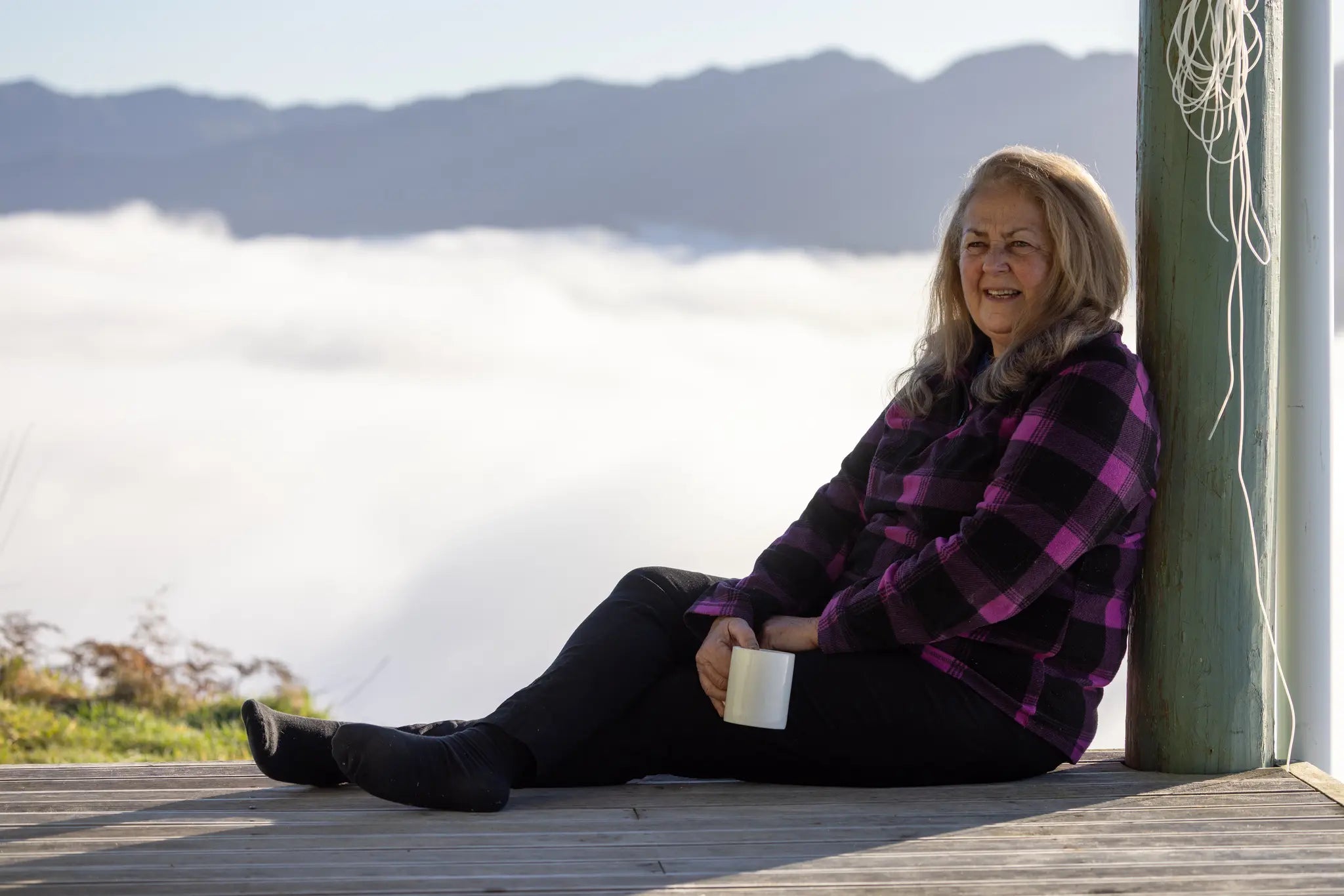
Most mornings, Bob's up early with coffee, looking out over the land. He's spent his whole life surrounded by these hills and they still make him feel something he can't quite name. A kind of settling. Like your shoulders drop and you remember how to breathe properly. It's the kind of landscape that gets inside you. Makes you understand why people talk about home like it's something you can feel in your chest.
Mary's usually already in the kitchen by then, working on something that will make the house smell incredible by breakfast. She first came to this valley as a teenager, staying with her friend Kay whose family owned a block in the valley. It was during one of those visits she met Bob. Years later, they built their home on the exact spot where Kay's family house once stood.
She has a gift for knowing what people need, often before they know it themselves. More tea, a warmer jacket, a quiet word at exactly the right moment. The cooking is so good you'll eat well past full. You'll think you're done, but somehow you will be reaching for seconds.
Bob and Mary didn't set out to host walkers. For years, these trails were just family routes, the paths they'd take when they needed to clear their heads or show the grandkids something special.
Now people come from all over. Some return year after year. Some send Christmas cards from the other side of the world. That's the thing about sharing a place like this. It creates connections that last long after you've gone home.
Voices From the Valley
Guests Who Know Us Best
Many visitors first came for a quiet farm‑stay and kept returning for the friendship they found here. Now those same guests can lace up their boots for our brand‑new walking tracks. Read what keeps them coming back.
Jackie & Steve Watson
True Peace
"Love the darkness. No street lights, no cars"
Chrissy
"A highlight for me was spending a quiet moment looking over the tarn, it was magically peaceful. The homecooked meals were the perfect fuel for the days walk. The evening swims in the river were so refreshing. Mary and Bob are the perfect hosts, so kind, warm and welcoming. Thank you for having us stay with you."
Tina
"A pathway to nature connection, and a good physical workout. So grateful to the Redpath family for sharing their hidden paradise. So much beautiful nature, river, forest, birdlife. And delicious food to keep my body fuelled. The walk had a mix of terrain and environments. I loved how it changed, sometimes steep, sometimes across open farmland, at times through native podocarp forest where i really slowed down so i could take in all the nature. So exciting to hear then actuallly see a long tailed cuckoo (shining?)"
Car & Teresa
"Lovely place. Loved seeing the glow worms."
Carole & Frank
"Fantastic facilities, Thank you for sharing your piece of paradise."
Sheryl & Mike
"Stunning place to kick back, relax, bike, swim, cook, clean. Recharge. Thanks"
Explore Without Worry
Experience the Wonders of Wairata
Discover what makes our valley uniquely appealing, natural beauty that nourishes the soul.
The Waterfall Walk
This walk saves its best for the middle.
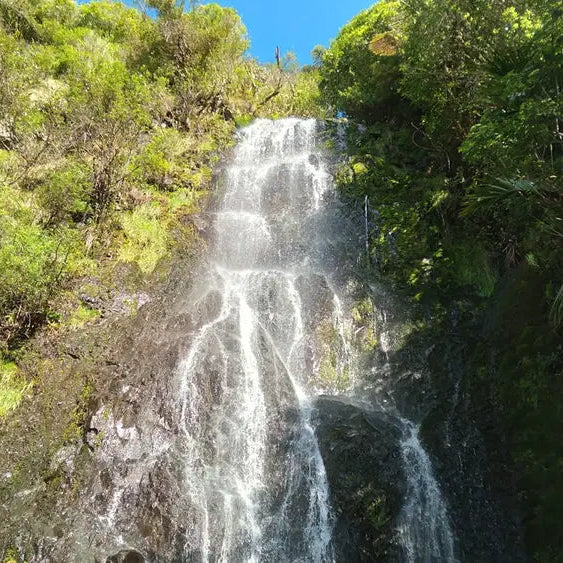
You'll climb through paddocks and forest patches before reaching a junction. Take the side track. You'll hear it before you see it: fifteen metres of water tumbling down multiple terraces.
Then the real climb begins. Switchbacks up to the Ridgeline Viewpoint at 485 metres. The highest point of this walks. The entire Waioweka Gorge spreads out below.
Distance: 10km
Time: 3-4 hours
Terrain: Moderate
The Tarn Walk
Don't forget your camera!
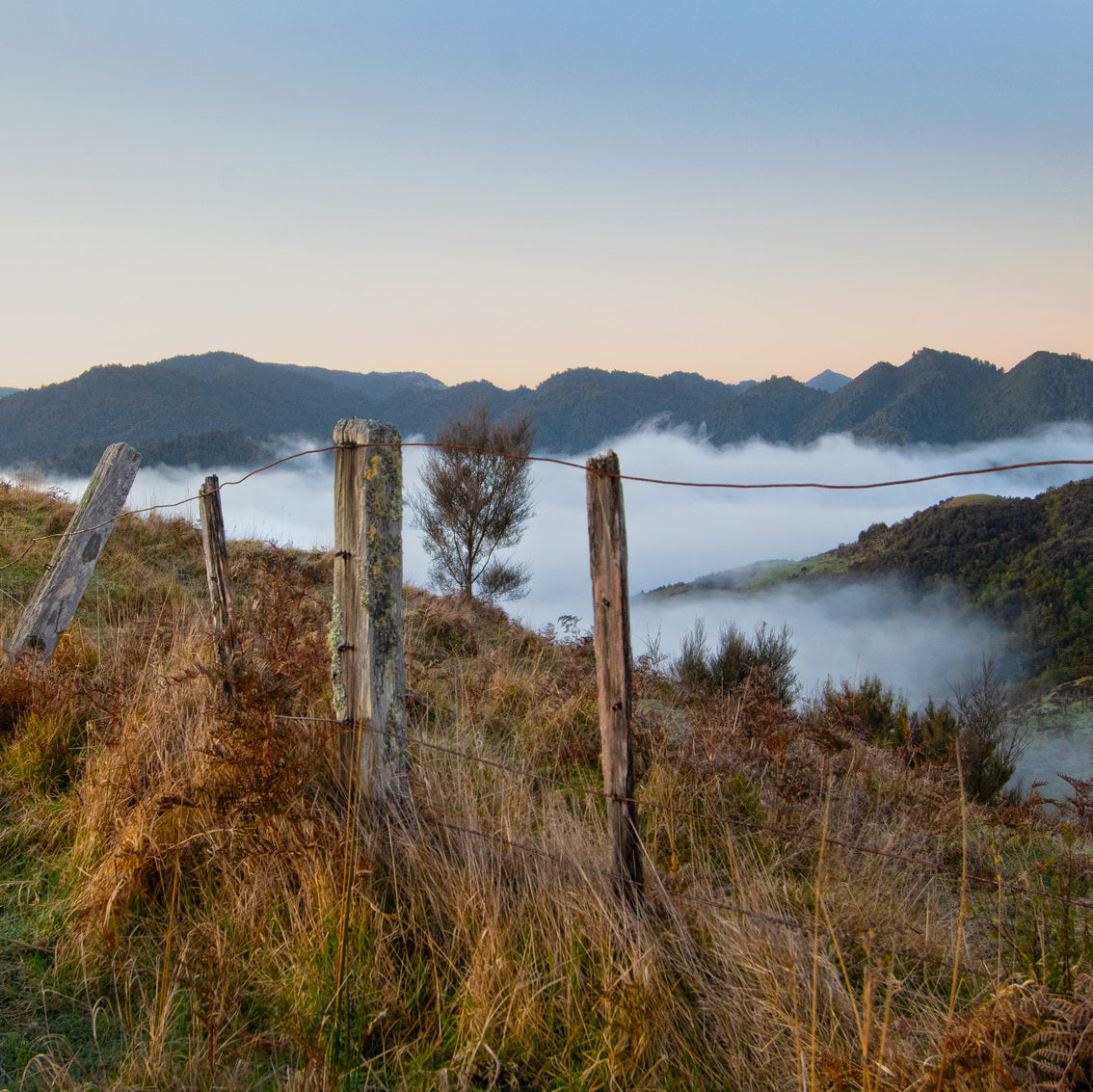
You'll climb through shifting landscapes - pasture to shrubland to proper rainforest where the trees close in and the track narrows to singletrack. Then the plateau. And there it is: Kahikatea Tarn. Dark water reflecting the forest canopy like a mirror.
Push on and you'll reach the viewpoint - sweeping views over the entire Waioweka Valley that make the climb worth every step.
Distance: 13-18km
Time: 5-7 hours
Terrain: Moderate
The Creek Walk
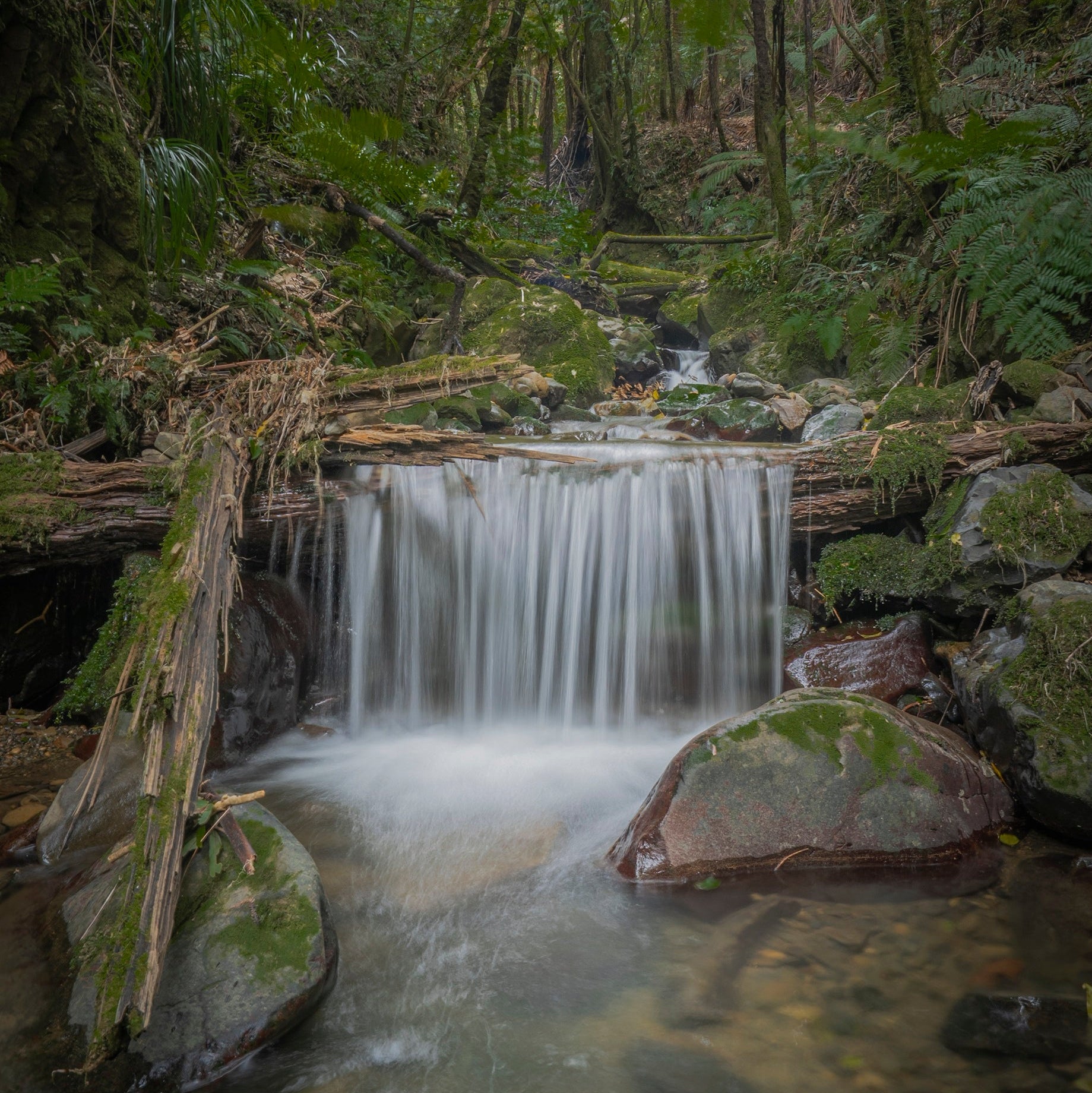
Intimate. Close. The kind of walk where you're always near water.
The track finds the creek quickly and stays close. You'll cross it more times than you'll count, working your way up through thick native bush that grows thicker the deeper you go.
Watch for the pukatea tree with roots that spread like tendrils. The high point comes suddenly. Then you're sidling high above with views back down the valley you just climbed.
Distance: 4km
Time: 2 hours
Terrain: Moderate

Plan Your Escape
Now that you’ve had a glimpse of the place we call home, we’d love to share it with you. Wander quiet trails, share stories in the evening light, and find a little peace away from it all.
Still Curious?
Frequently Asked Questions
If you need more detail, or have a question not answered here
Contact us
How fit do I need to be?
Each day covers 4 to 18 km with steady climbs, adding up to about 1 100 m of ascent across three days. If you can comfortably walk three hours on hilly terrain at home, you will enjoy the pace. We pause regularly for photos, snacks, and a breather
What is included in the package?
Your package includes comfortable accommodation in our chalets and cabins, meals from dinner on arrival through to lunch on departure, marked trails, a personal locator beacon, and hot showers. Bring your clothing, walking boots and a few snacks.
What if the weather turns wet?
Rain is part of valley life. Good rain gear and waterproof boots keep you comfortable under the forest canopy. In rare heavy weather we may swap the order of trails to keep river crossings safe, but you still complete every track.
Will I have phone or internet service?
Mobile signal drops away once you pass Matawai (south side) or a few kilometres beyond Ōpōtiki (north side). Free Wi‑Fi is available at the chalets and outdoor living area so you can check messages each evening.
Do I need a 4‑wheel drive to get there?
No. The gravel road from the highway is well graded year‑round. Any standard car with good tyres is fine. Just fill the tank in Ōpōtiki or Gisborne before entering the gorge.