

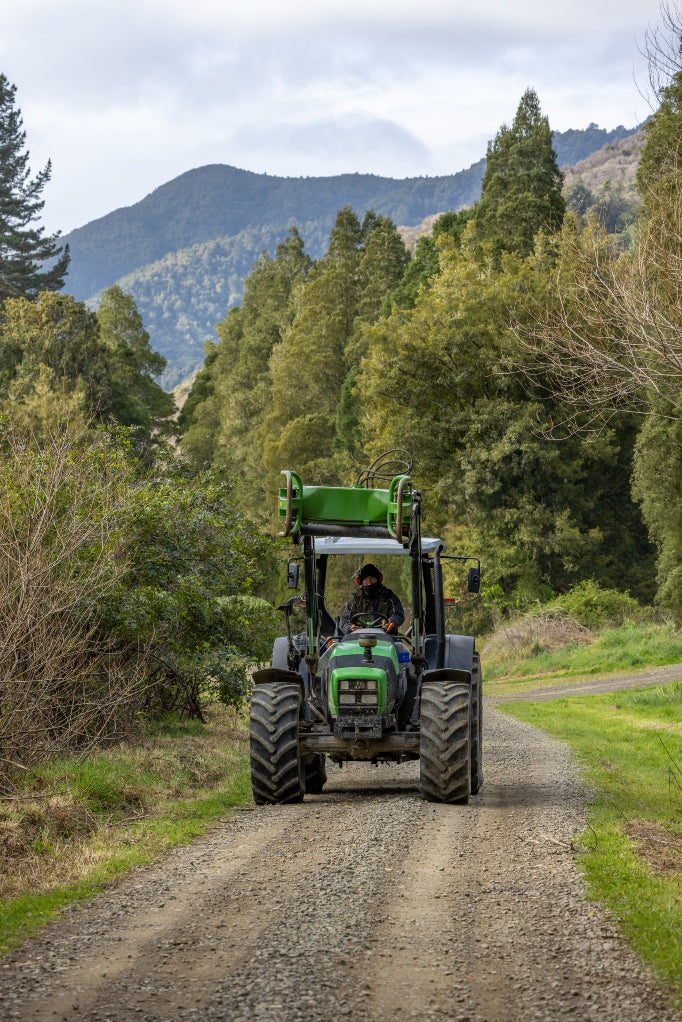
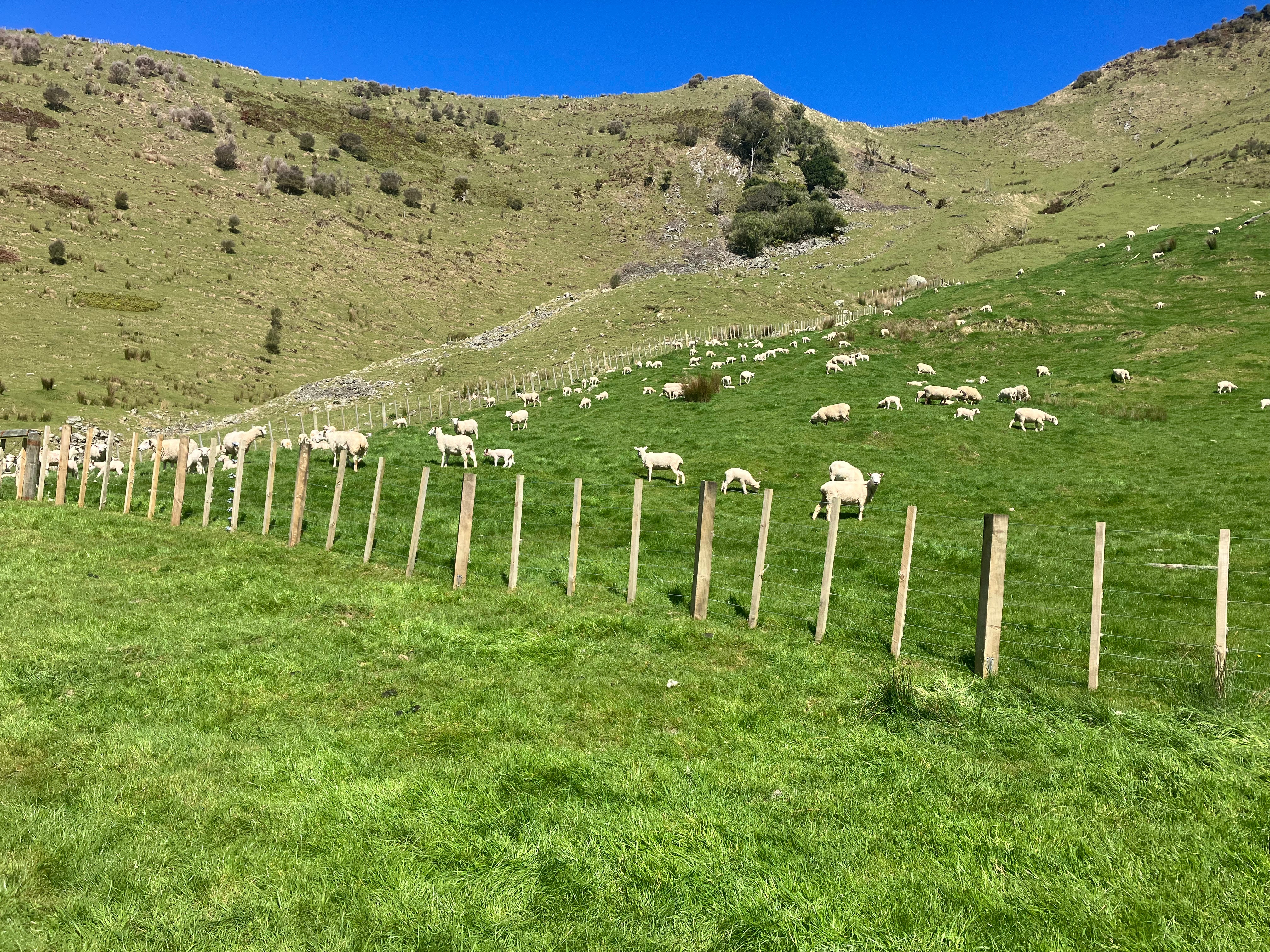
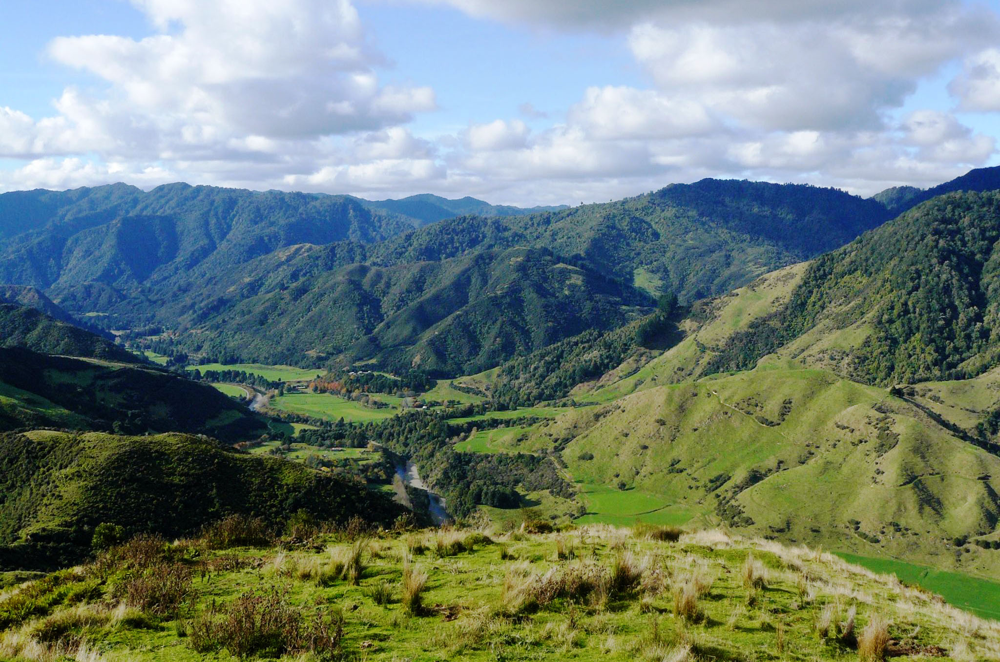
Five generations of the Redpath family have walked this land since our forefathers arrived with little more than hope and a strong back.
What started as a dream has grown into four thousand acres of hills, rivers, and native forest. We've planted trees. Raised families. Walked every trail, climbed every ridge, fished every pool.
This isn't a tourism venture that happened overnight. It's what you do when you've spent your whole life somewhere beautiful and decide it's time to share.
Every Trail Tells a Story
This forest holds memory from before our family arrived. The fantails that dart around you have nested in these valleys for generations beyond counting. The river that carves through the landscape brought life to this valley long before there were tracks to follow.
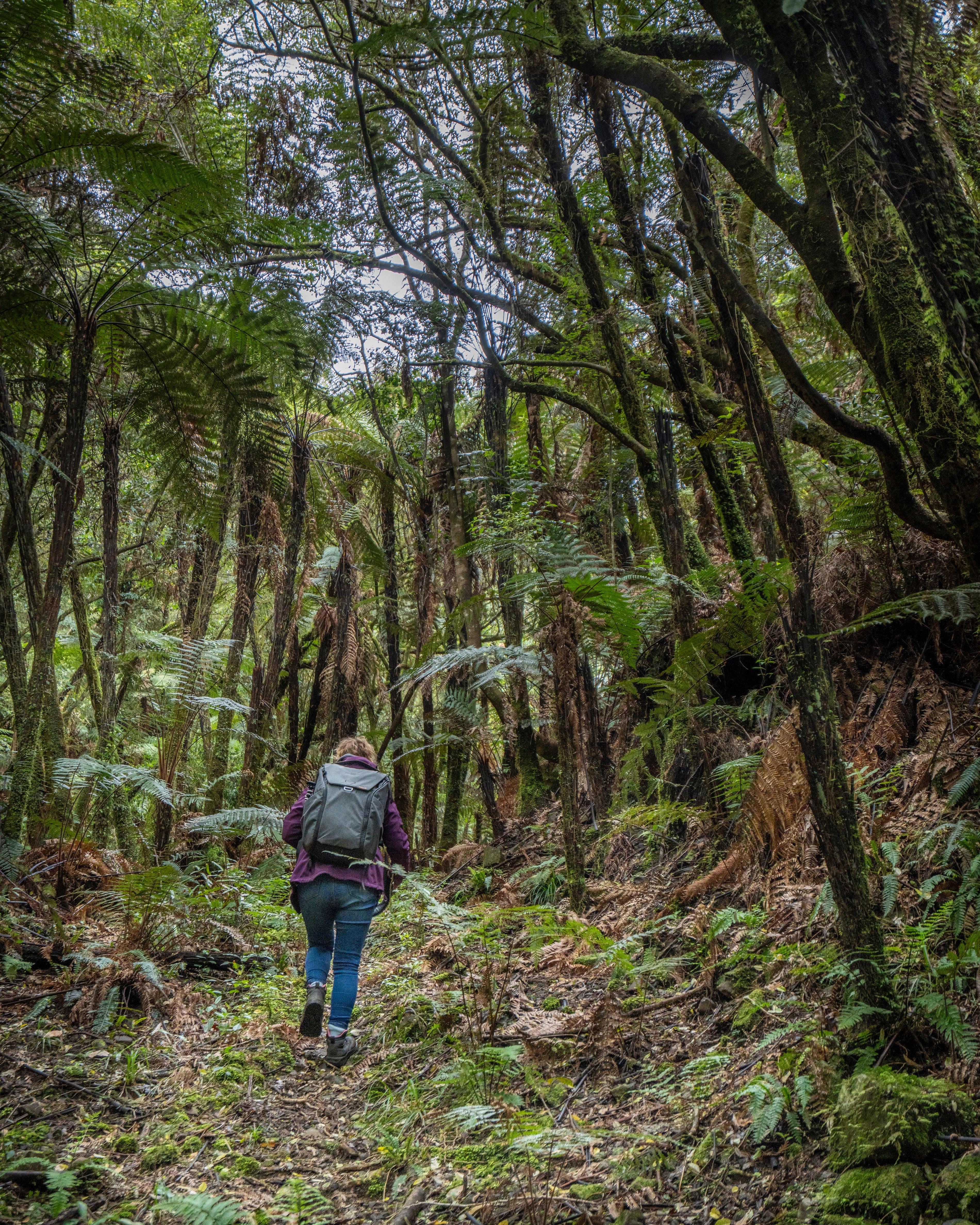
Each trail has its own character. The Tarn Walk takes you deep into podocarp forest where the light filters green through the canopy. The Creek Walk follows water over moss-covered stones. The Waterfall Walk climbs to ridgelines where the valley spreads out below you like a rumpled blanket.
These are the places we've been coming back to our whole lives. Now they're yours to discover.
Experience True Connection
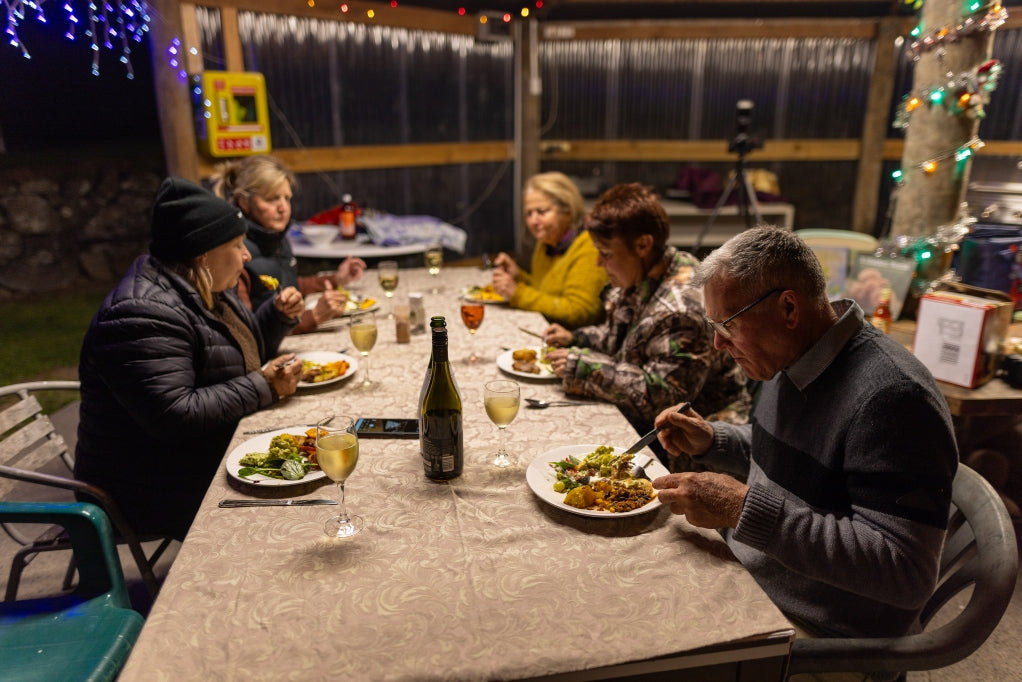
There's something about walking through quiet forest that makes conversation feel different. Easier, somehow. More honest.
You'll find space here for whatever you need. Long talks and comfortable silences. Laughter that echoes through the trees. The kind of stillness that's impossible to find in the city.
At night, the fire crackles. Someone pours another drink. And the stories start: ours, yours, the ones this land has been keeping for over a century.
It's the kind of place that stays with you long after you've left.
118
Years of Family, Farming, and Footsteps
From Past Guests
Don't Take Our Word For It
Keith & Julie
A Little Slice of Heaven
"OMG you guys have done it again with your amazing hospitality. Thank you always for sharing your little slice of heaven with the Turner clan. Love you xx"
Linda & Roger
Escape The Chaos
"Beautiful place to escape the bustle. A great family weekend. Really appreciate our hosts."
Cassey
Love the Back Blocks
"We have always enjoyed this wonderful spot! The awesome accommodation after a days walk is much appreciated. Thank you."
Gill & Jim
Our Second Home
"Such an awesome week. We can’t thank you enough. So hard to leave. But we will be back soon. Biggest Love ❤️"
Tina
"I've walked a lot of NZ backcountry and this walk has so many elements wrapped up in one. Yet so much more accessible and with the home comforts at the end. I came away with my body and being satisfied."
Rex & Moyra
"Thanks heaps for your hospitality, Loved staying here and will come back again. Awesome place, cheers."
Land That Remembers
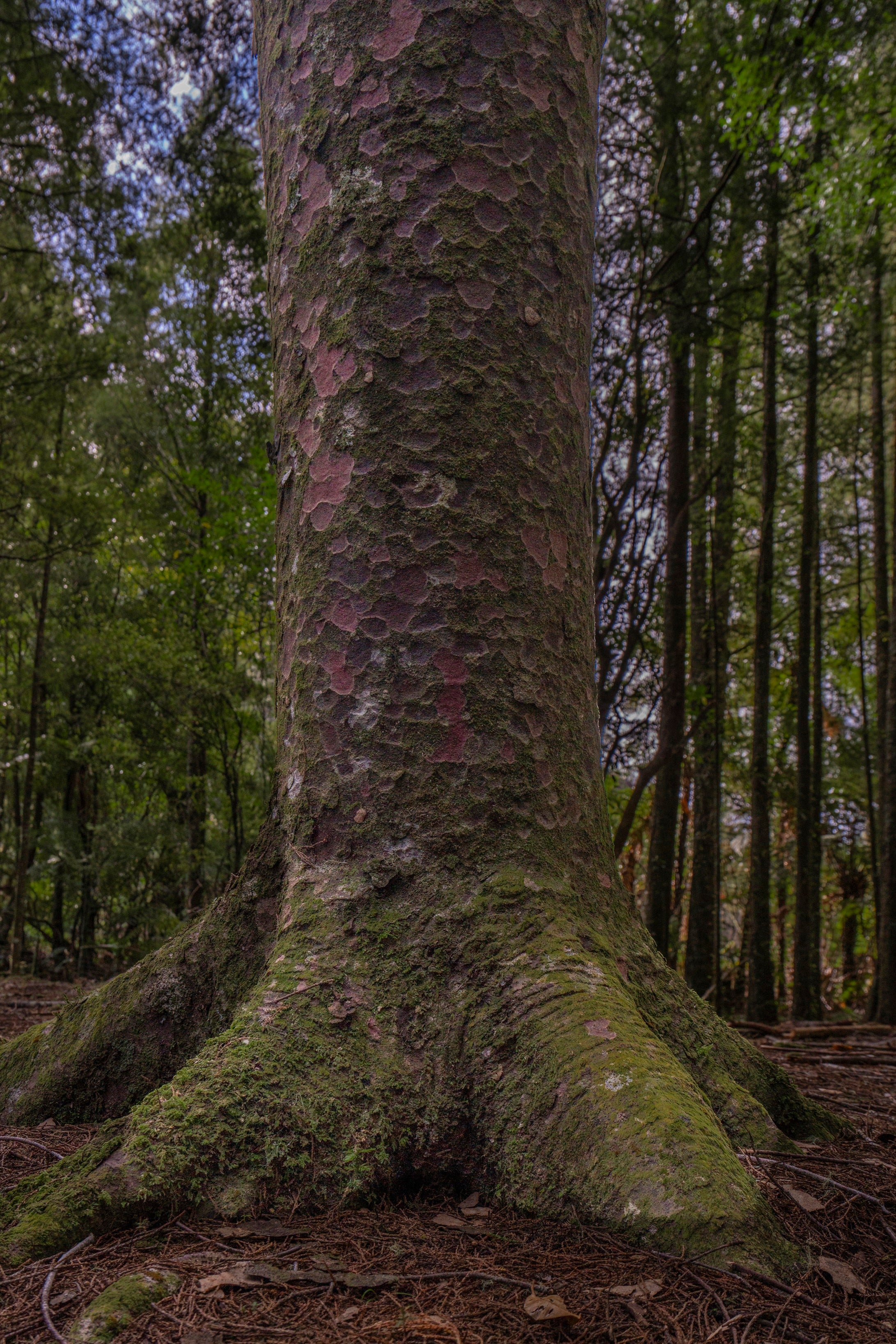
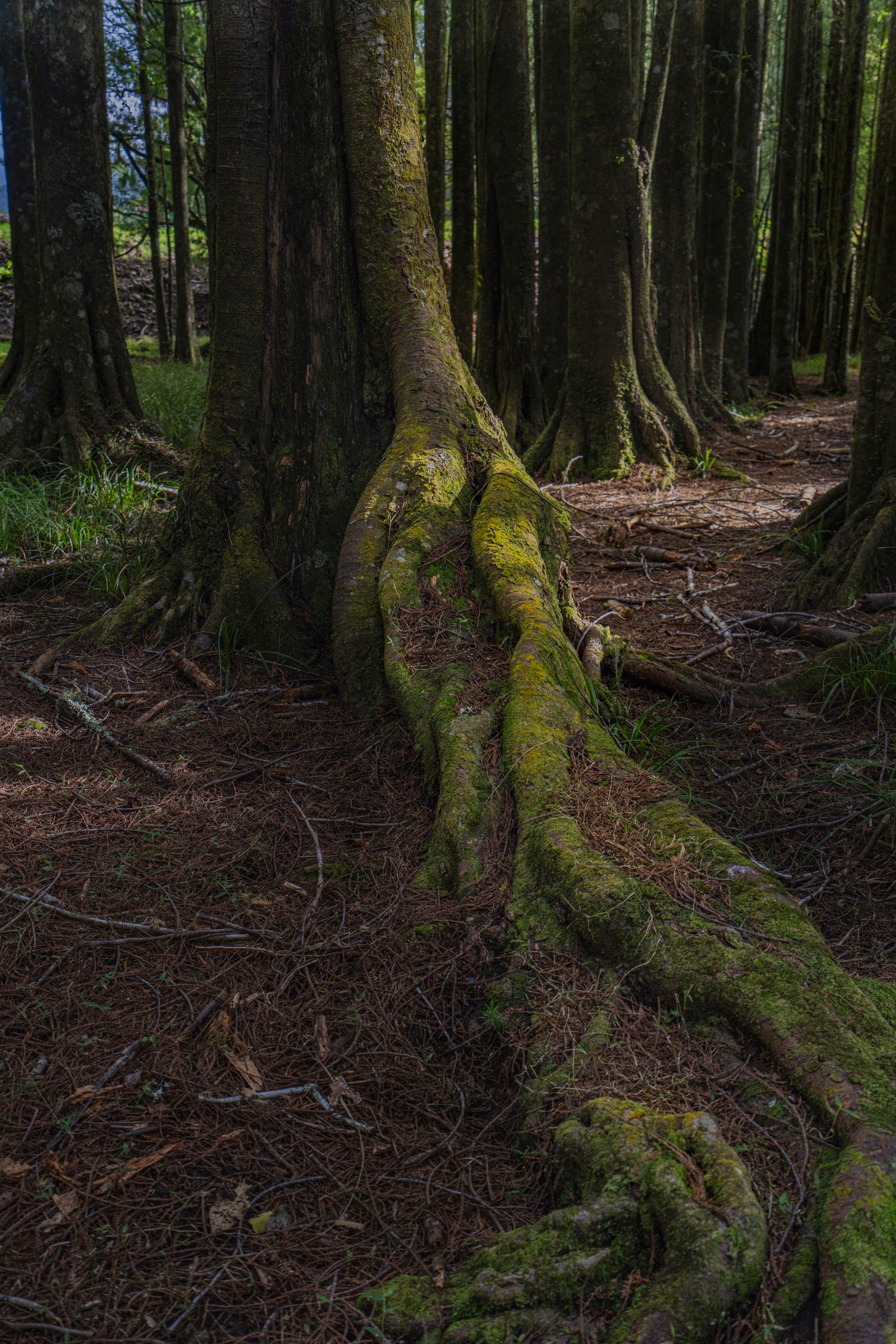
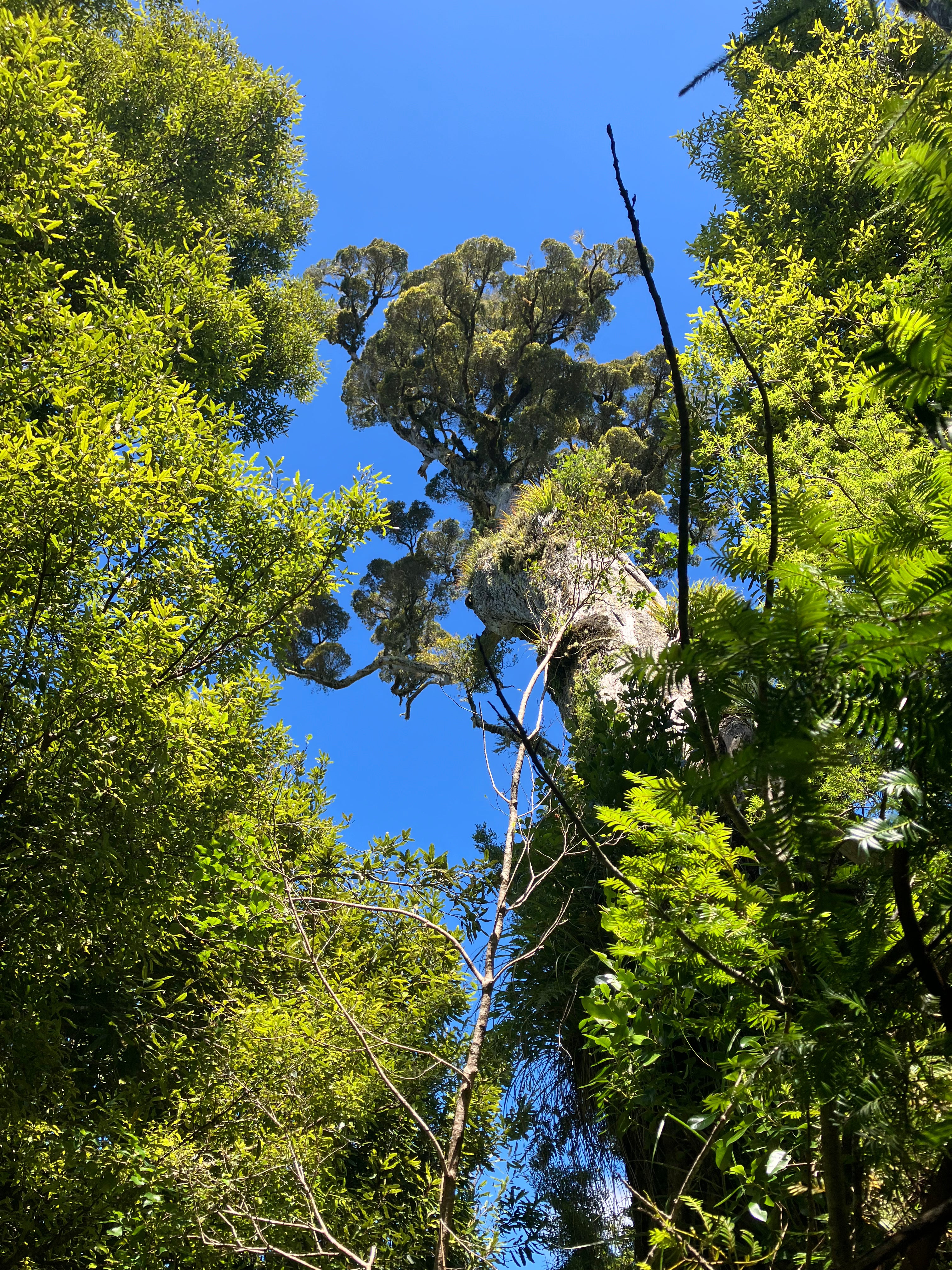
This forest holds old magic, bustling with life long before the land had a name. The rimu and kahikatea trees that tower above these trails are part of that timeless ecosystem.
The air here smells different. Rich and damp, like earth and moss and something you can’t quite name but recognise anyway. After rain, the forest floor comes alive. Bright orange mushrooms rise through the leaf litter, shelf-like fungi cling to fallen logs, and tiny white clusters appear so delicate they collapse at a touch. Some are the size of your palm. Others you’d miss completely unless you paused to look.
The understory is thick with ferns, some tall as your shoulder, others delicate as lace. Supplejack vines loop between trees. Punga's cluster near creek beds. Everything is layered, interconnected, quietly thriving in the half-light.
And it’s quiet in a way that city-quiet never is. No hum of traffic. No distant sirens. Just wind moving through leaves, water over stones, and the occasional call of a bird you’ll spend the rest of the day trying to identify.
For three days, this is your world.
Private Walks
Explore Our Featured Trails:
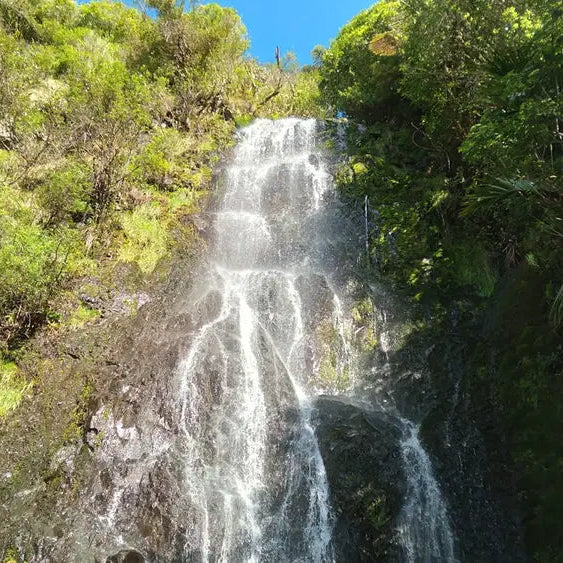
The Waterfall Walk
This walk saves its best for the middle.
You'll climb through paddocks and forest patches before reaching a junction. Take the side track. You'll hear it before you see it: fifteen metres of water tumbling down multiple terraces.
Then the real climb begins. Switchbacks up to the Ridgeline Viewpoint at 485 metres. The highest point of this walk. The entire Waioweka Gorge spreads out below.
Distance: 10km
Time: 3-4 hours
Terrain: Moderate
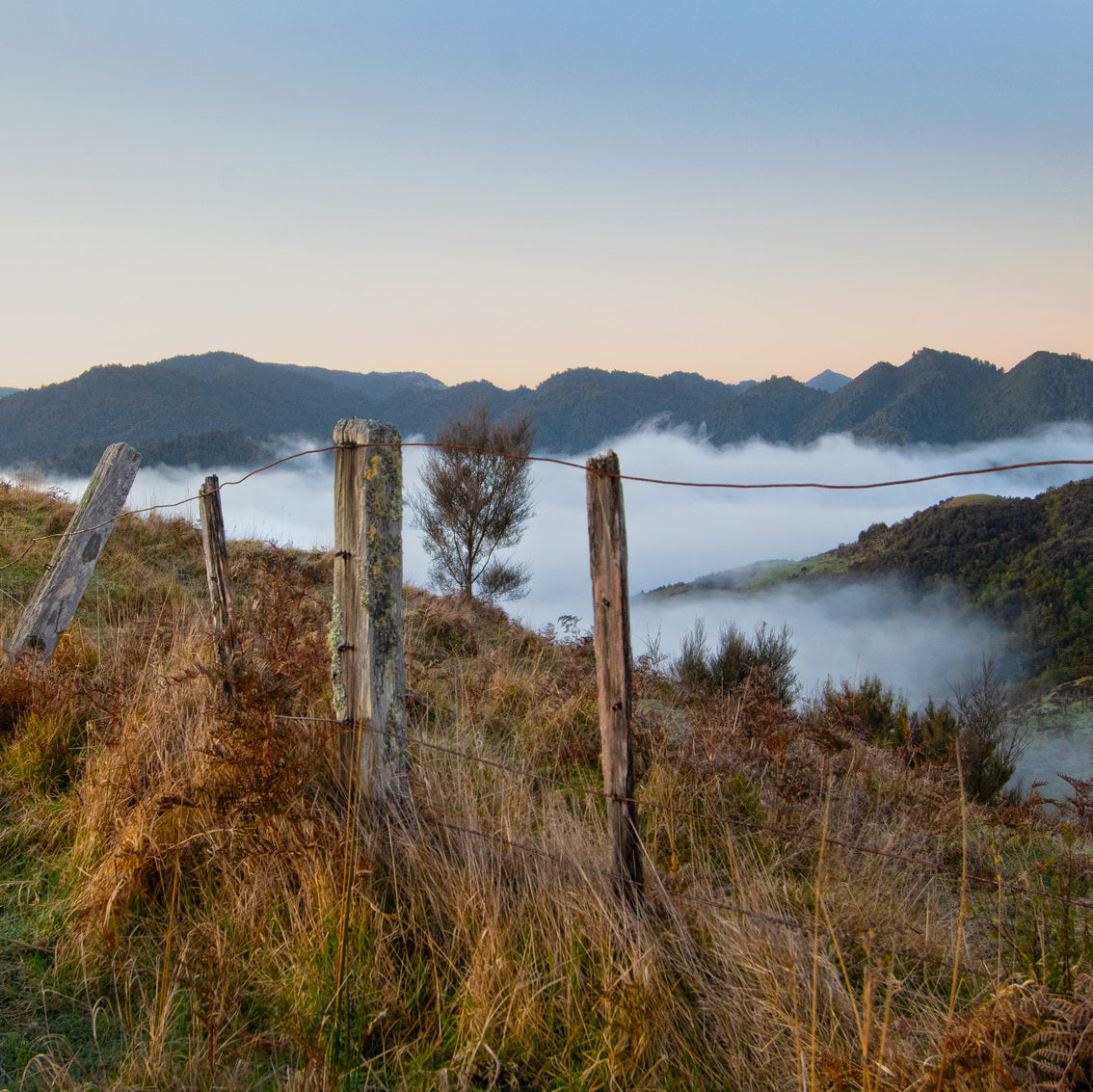
The Tarn Walk
You will want your camera!
You'll climb through shifting landscapes - pasture to shrubland to proper rainforest where the trees close in and the track narrows to singletrack. Then the plateau. And there it is: Kahikatea Tarn. Dark water reflecting the forest canopy like a mirror.
Push on and you'll reach the viewpoint - sweeping views over the entire Waioweka Valley that make the climb worth every step.
Distance: 13-18km
Time: 5-7 hours
Terrain: Moderate
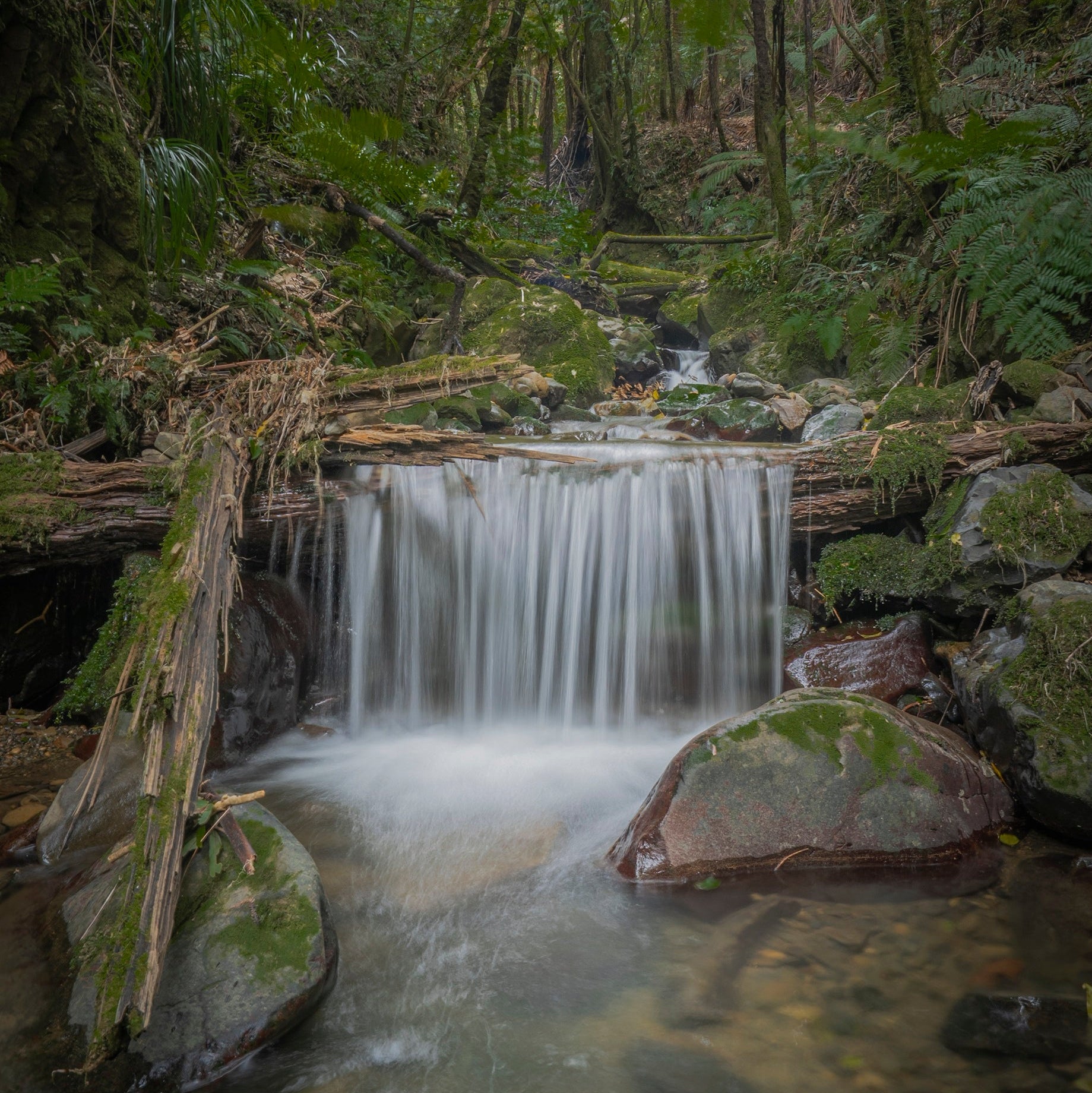
The Creek Walk
Intimate. Close. The kind of walk where you're always near water.
The track finds the creek quickly and stays close. You'll follow it for most of the walk, working your way up through thick native bush that grows thicker the deeper you go.
Watch for the pukatea tree with roots that spread like tendrils. The high point comes suddenly. Then you're sidling high above with views back down the valley you just climbed.
Distance: 4km
Time: 2 hours
Terrain: Moderate
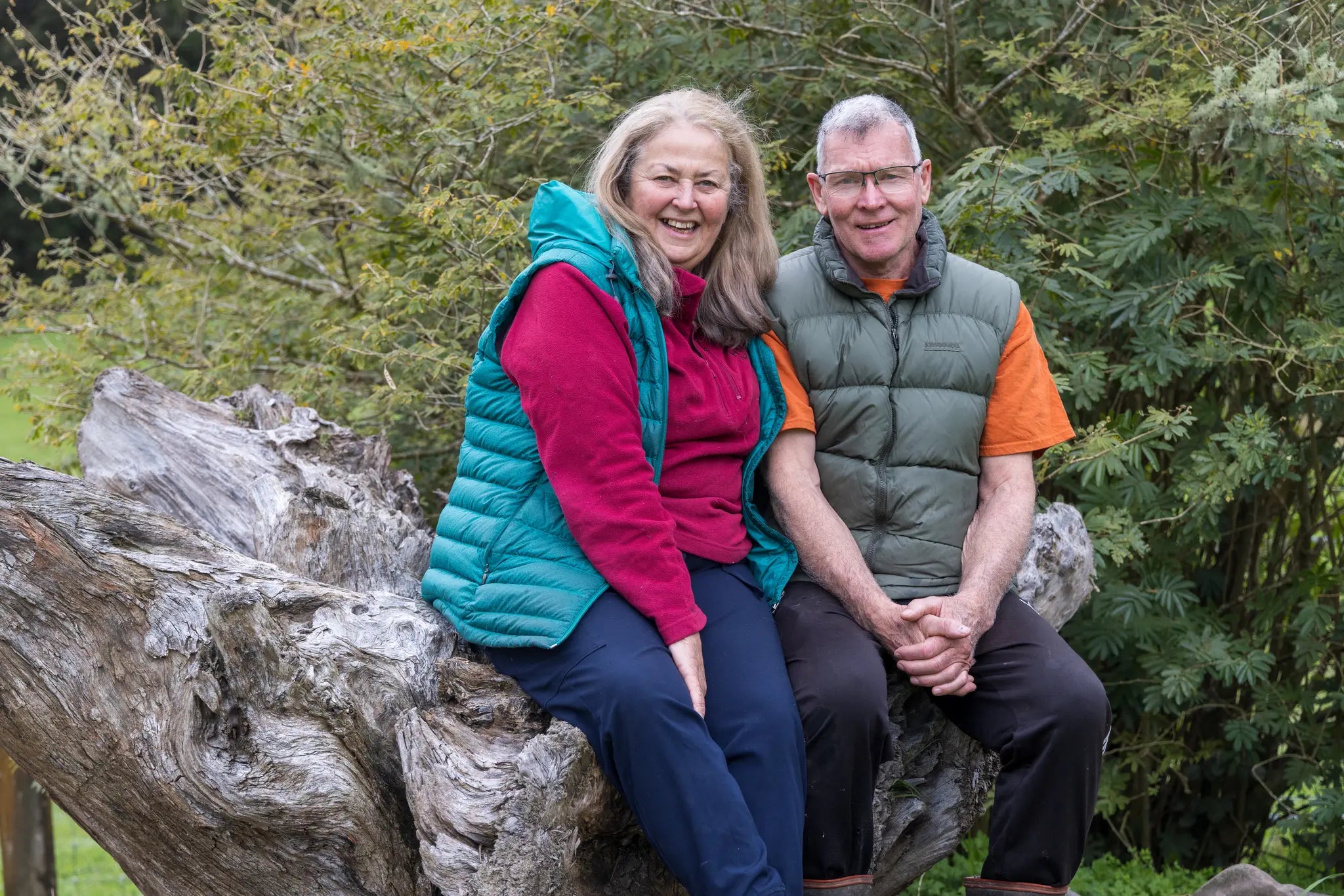

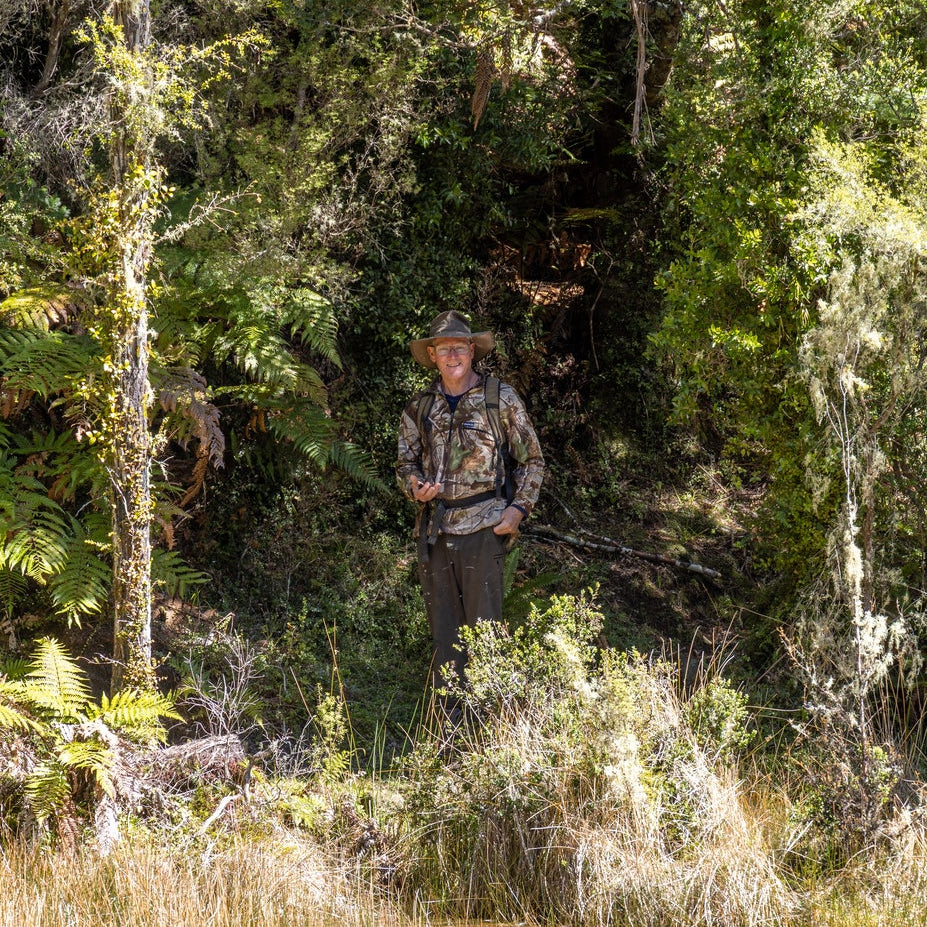
Meet Your Hosts
Bob grew up here with his four brothers. Five boys running wild, learning every ridge and creek bed, doing the kind of farm work that builds character whether you like it or not.
Mary was a nurse for Opotiki her entire working life. Long hours, rural roads, delivering care to families scattered across the region. She knows this community inside out.
Together they raised their own family here. Now their kids and grandkids come back regularly, drawn by the same connection to this land that's kept Bob and Mary here all these years.
We've shared the valley with people from all over, and many have become lifelong friends. If you find your way here, we hope you'll feel the same quiet connection to this place. You're very welcome.
"Our family has cared for this land for more than a hundred years. We've watched trees grow from saplings to giants. We've explored every water source, climbed every ridge, found the best spots for lunch and the quietest places to sit. We feel lucky to call it home. We're glad to share a small part of it with you. We hope your time here is peaceful, memorable, and exactly what you needed."
Home Base
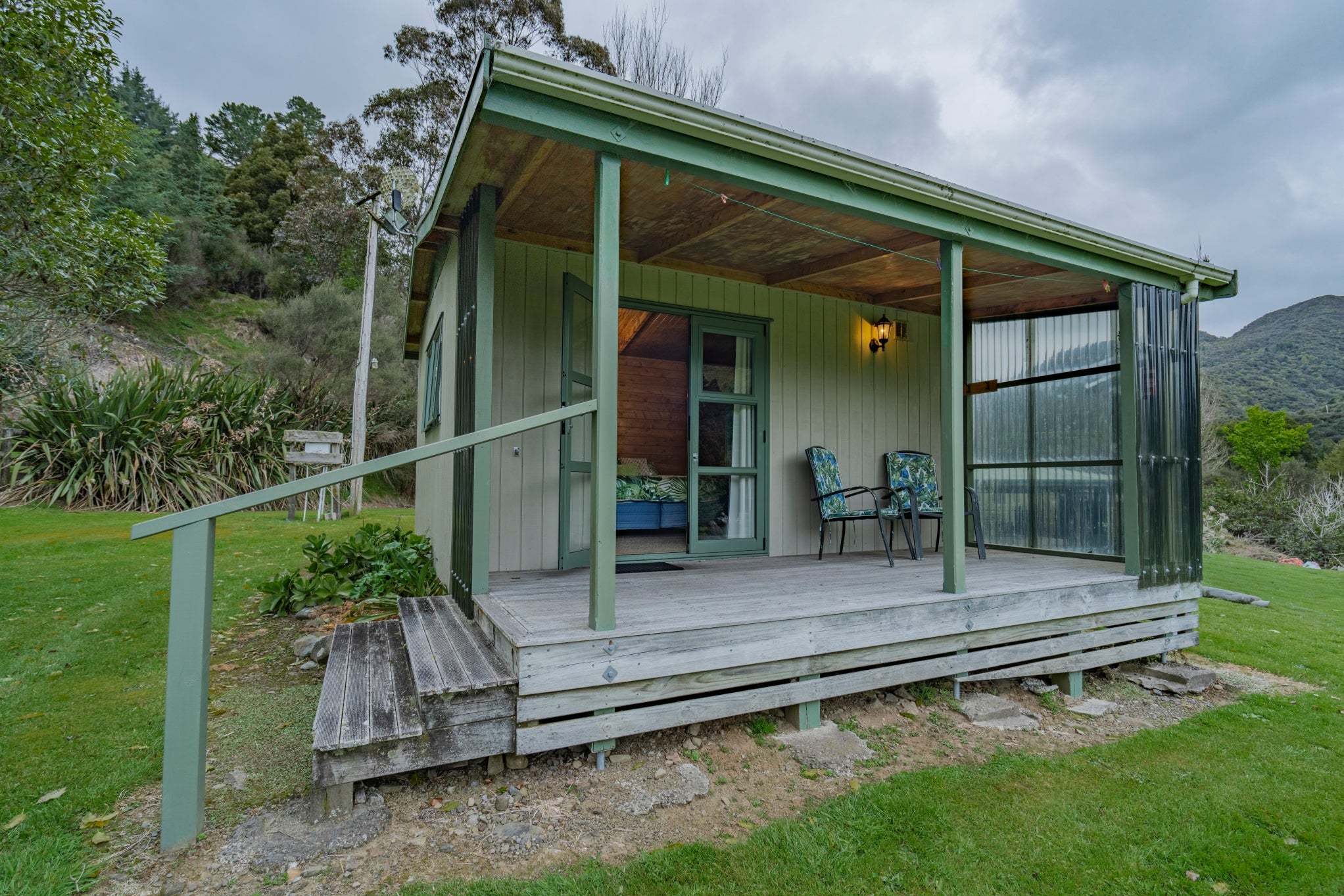
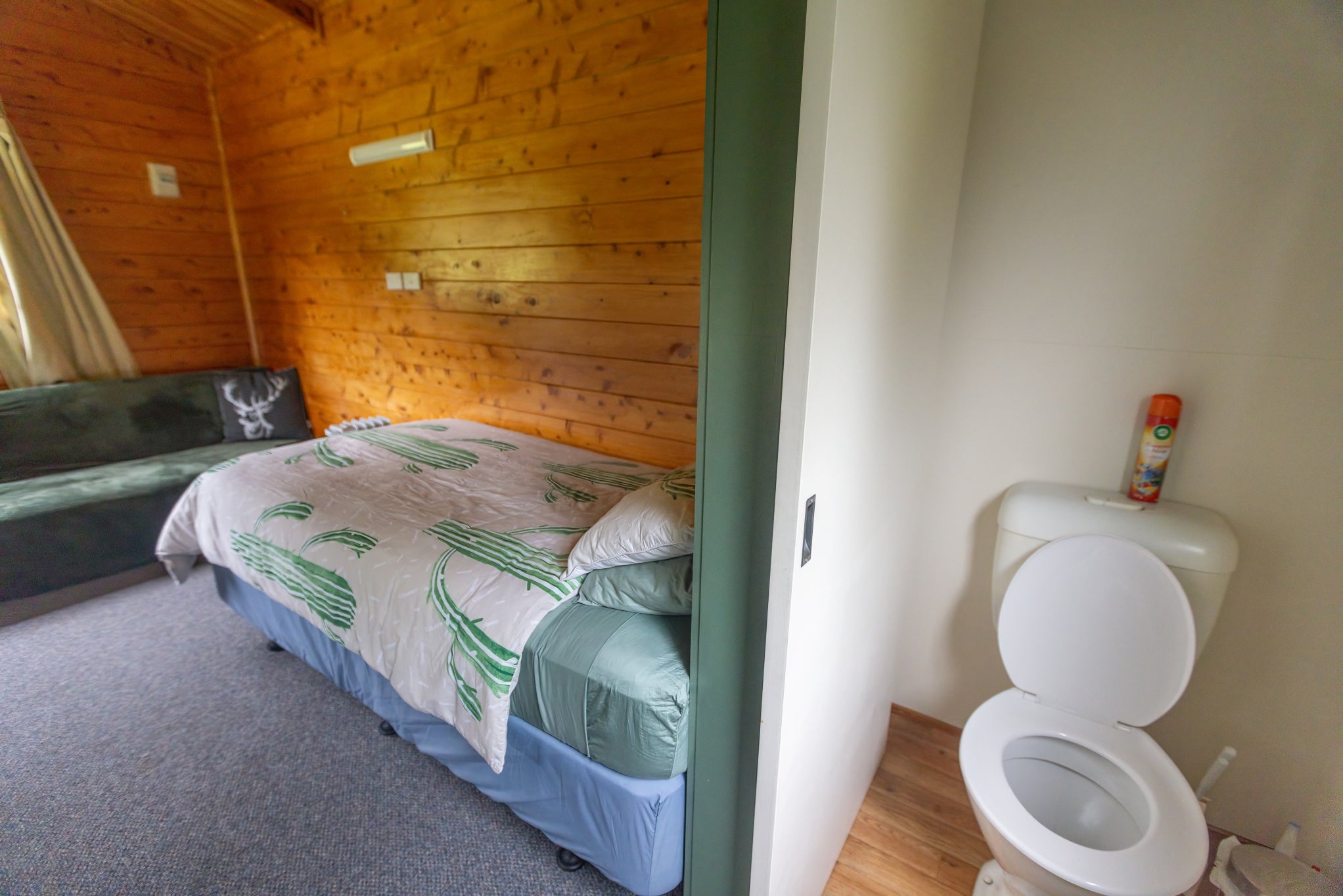
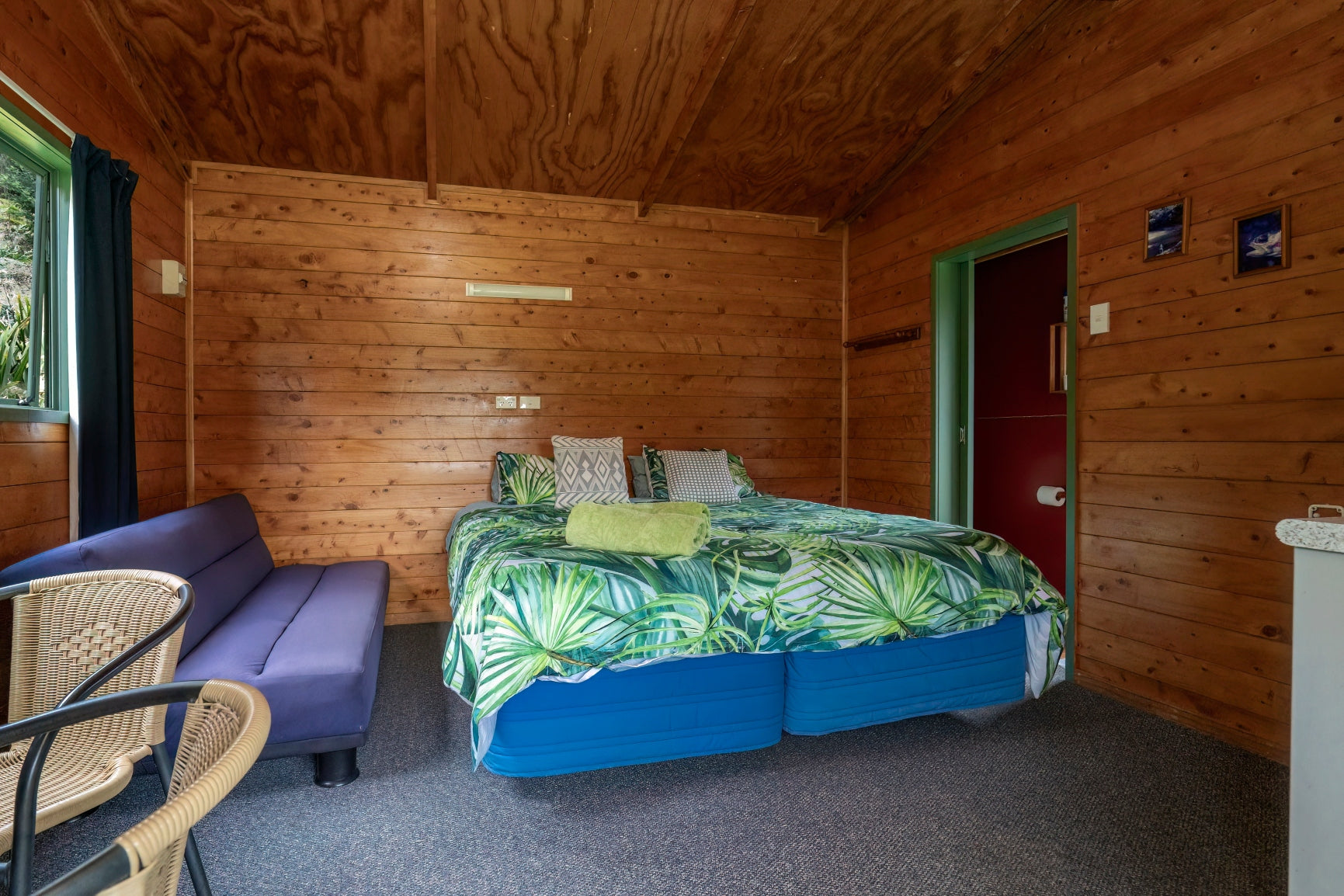
There's nothing quite like the feeling of getting back to the chalets after a day on the trails. Boots off. Feet up. The kind of tired that feels earned.
Hot showers wash away the day's dirt and sweat. Clean clothes. A comfortable place to sit while the valley settles into evening. The outdoor living area is where you'll end up, cold drink in hand, sharing laughs and swapping stories with your group.
Simple comfort. Everything you need. Nothing you don't.
Your Trail Companions
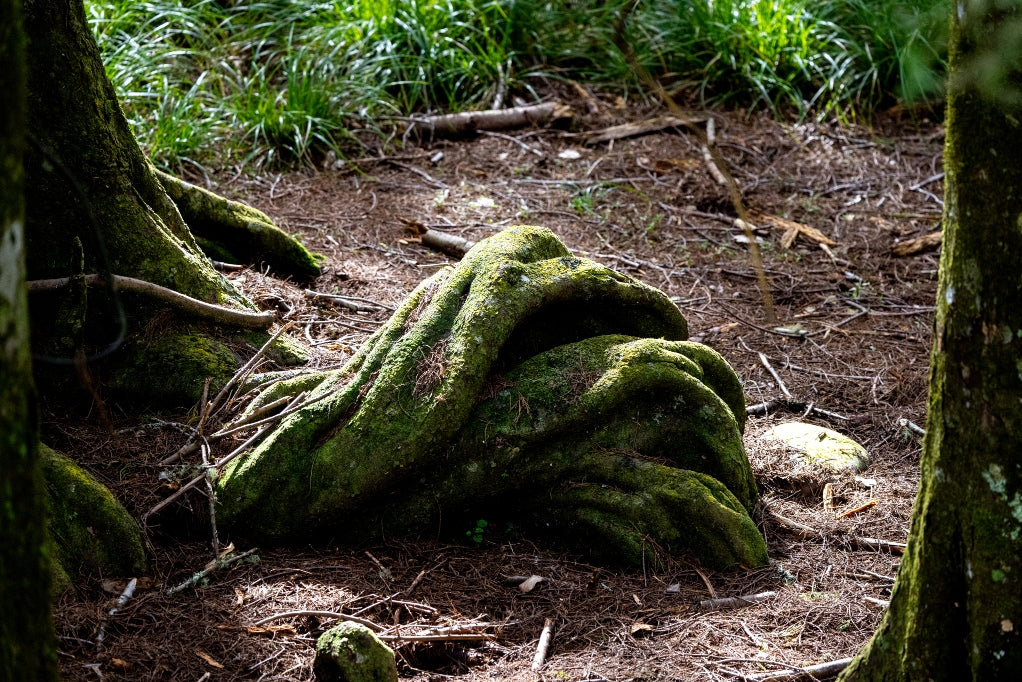
The trees that tower overhead. Some of them truly ancient, are part of an ecosystem that's stood for generations beyond counting. They're old souls. They listen without judging, witness without comment.
The kahikatea, New Zealand's tallest native tree, can reach 60 meters. Stand beneath one and look up. The canopy disappears into green shadow, branches reaching like the forest is holding up the sky itself.
These trees aren't just backdrop. They're the foundation. Everything else here exists because they do. The fungi that fruit at their roots. The birds that nest in their branches. The ferns that thrive in their shade. Walk among them and you'll feel it. That sense of being somewhere that doesn't need you, doesn't notice you, but allows you in anyway.
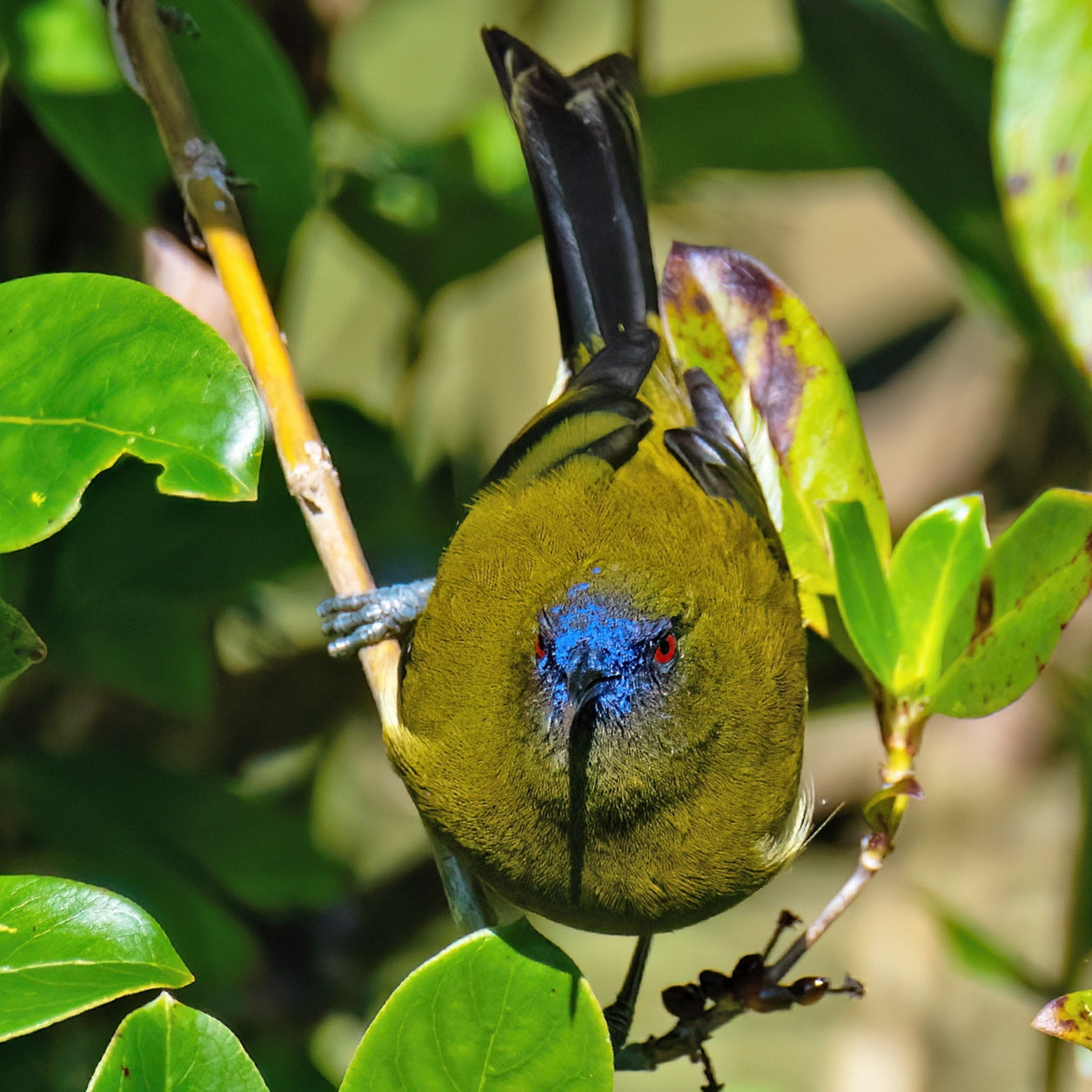
You'll hear the korimako (bellbirds) before you see them. Their song is like nothing else: clear, bell-like notes that ring through the forest. It's the sound that makes you stop mid-step and just listen. They're small, unassuming, but their voice carries like the forest found a way to sing.
The pīwakawaka (fantails) will find you soon enough. Tiny, fearless, impossibly acrobatic, darting around because your footsteps disturb insects and insects are breakfast. They'll come within arm's reach if you stand still.
Listen for the kererū (wood pigeon), that distinctive whoosh-whoosh of wings beating. They're terrible at landing, crashing into branches like rugby players, but stunning when perched, iridescent feathers catching light. They're crucial to the forest too. Some native trees can only reproduce because kererū spread their seeds.
The tui's song is so complex it sounds like the forest tuning an orchestra. Two voice boxes mean they sing harmony with themselves. And the miromiro (tomtits)? Bold little characters, curious enough to come investigate if you're quiet.
Bring binoculars and a camera. Trust me, you'll kick yourself if you don't.
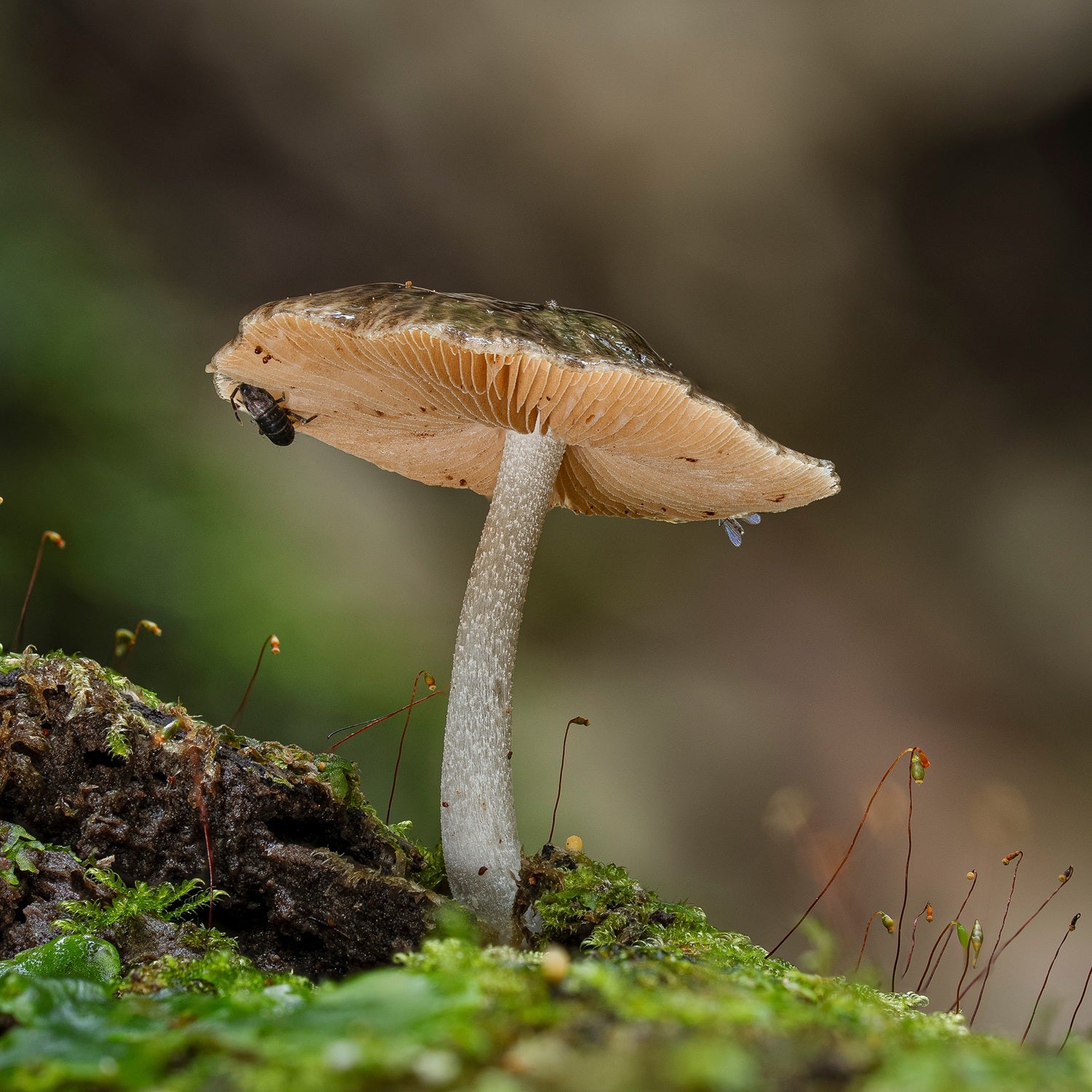
After rain, the forest floor transforms. Wood-ear fungi cling to fallen logs like amber glass. Tiny red-capped mushrooms push through moss. Ghost fungi glow pale in the shadows. Most exist in partnership with specific trees, relationships that have been going for longer than anyone can say. Some are the size of your palm. Others so small you'd miss them if you weren't paying attention. Look, but don't touch. Many are as delicate as they are beautiful.
The trees that tower overhead. Some of them truly ancient, are part of an ecosystem that's stood for generations beyond counting. They're old souls. They listen without judging, witness without comment.
The kahikatea, New Zealand's tallest native tree, can reach 60 meters. Stand beneath one and look up. The canopy disappears into green shadow, branches reaching like the forest is holding up the sky itself.
These trees aren't just backdrop. They're the foundation. Everything else here exists because they do. The fungi that fruit at their roots. The birds that nest in their branches. The ferns that thrive in their shade. Walk among them and you'll feel it. That sense of being somewhere that doesn't need you, doesn't notice you, but allows you in anyway.
You'll hear the korimako (bellbirds) before you see them. Their song is like nothing else: clear, bell-like notes that ring through the forest. It's the sound that makes you stop mid-step and just listen. They're small, unassuming, but their voice carries like the forest found a way to sing.
The pīwakawaka (fantails) will find you soon enough. Tiny, fearless, impossibly acrobatic, darting around because your footsteps disturb insects and insects are breakfast. They'll come within arm's reach if you stand still.
Listen for the kererū (wood pigeon), that distinctive whoosh-whoosh of wings beating. They're terrible at landing, crashing into branches like rugby players, but stunning when perched, iridescent feathers catching light. They're crucial to the forest too. Some native trees can only reproduce because kererū spread their seeds.
The tui's song is so complex it sounds like the forest tuning an orchestra. Two voice boxes mean they sing harmony with themselves. And the miromiro (tomtits)? Bold little characters, curious enough to come investigate if you're quiet.
Bring binoculars and a camera. Trust me, you'll kick yourself if you don't.
After rain, the forest floor transforms. Wood-ear fungi cling to fallen logs like amber glass. Tiny red-capped mushrooms push through moss. Ghost fungi glow pale in the shadows. Most exist in partnership with specific trees, relationships that have been going for longer than anyone can say. Some are the size of your palm. Others so small you'd miss them if you weren't paying attention. Look, but don't touch. Many are as delicate as they are beautiful.
FAQ
Have a question before booking?
Here are answers to some common questions to help you plan your visit:
Are these walks suitable for private walking groups?
Absolutely! Our trails are ideal for private walking groups seeking new experiences away from busy public tracks.
How difficult are the trails?
We offer a variety of trails from gentle walks to more challenging hikes, clearly marked to suit all fitness levels.
Do I need to book in advance?
Yes, booking in advance ensures exclusive access and allows us to prepare everything for your visit. We’re unable to accept walk-ins.
Are trail guides provided?
Absolutely. The trail is fully marked with iron standards and easy-to-spot signposts, so you can relax and enjoy the walk without worrying about getting off track.

Tired of the Crowds?
For five generations, these paths have been our secret. Where we walk to clear our heads, celebrate good news, or just remember why we live here.
Now they're yours to discover.
No crowds waiting at viewpoints. No queues for photo opportunities. No traffic noise drifting up from the valley. Just forest, birdsong, and the kind of quiet that makes you remember what your own thoughts sound like.
This is walking as it should be. Unhurried. Undisturbed. Unforgettable.